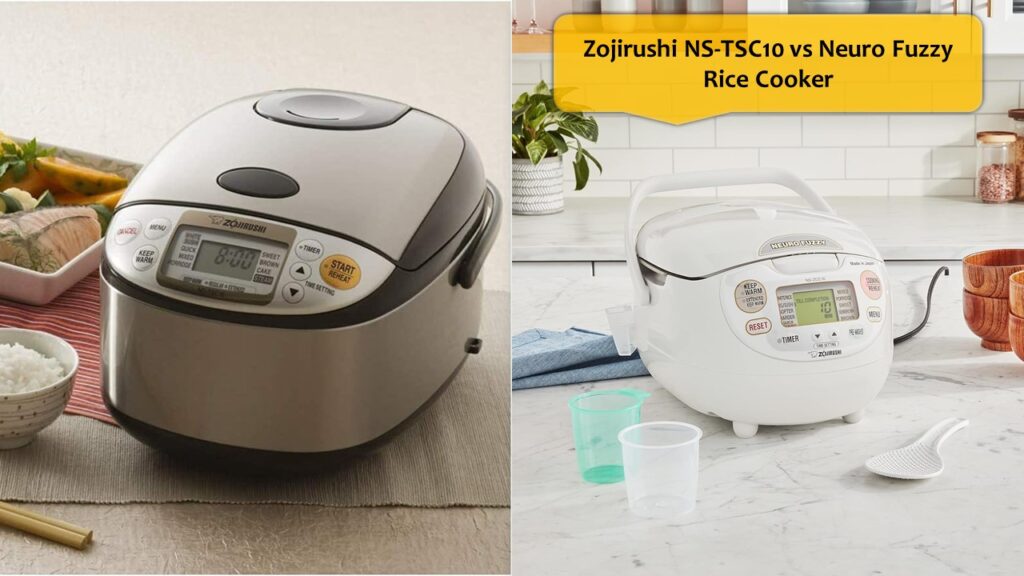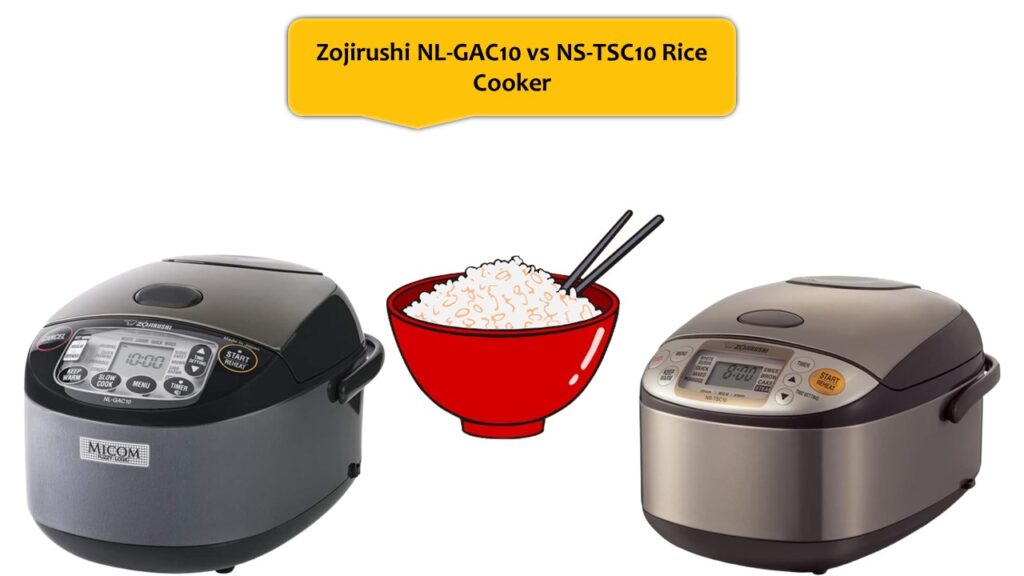
There is a quiet confidence that comes with placing a Zojirushi on your kitchen counter. It’s the realization that you are no longer just “cooking rice,” but rather entrusting your grains to a microcomputer that understands the difference between a soaking phase and a steaming phase. For the past several weeks, I’ve been toggling between two of the brand’s most capable mid-range models: the Zojirushi NL-GAC10 (Umami Micom) and the Zojirushi NS-TSC10.
On the surface, both machines represent the pinnacle of “Fuzzy Logic” technology – the ability for a rice cooker to think for itself and adjust temperatures on the fly. However, as I began to move past standard white rice and into the realms of GABA brown rice, slow-cooked stews, and even the occasional sponge cake, the personalities of these two machines began to diverge.
One is a culinary specialist designed to extract every ounce of flavor from the grain, while the other is a versatile “multitasker” that wants to be your steamer and baker as much as your rice cooker. If you’ve been torn between these two, my time at the kitchen island has revealed the subtle nuances that make one of these a perfect fit for your specific cooking style.
The Key Differences: Flavor vs. Versatility – Zojirushi NL-GAC10 vs NS-TSC10 Rice Cooker
While both models share a 5.5-cup capacity and micro-computerized brains, their menu priorities and physical designs offer distinct advantages:
- The “Umami” Factor: The NL-GAC10 is built around a specialized Umami setting. This cycle extends the soaking and steaming time to draw out the natural sugars and amino acids in the rice. The NS-TSC10 lacks this specific flavor-enhancing cycle, sticking instead to standard “Fuzzy Logic” timings.
- Specialty Grains and Slow Cooking: The NL-GAC10 is the superior choice for grain variety, featuring dedicated settings for Jasmine rice and GABA Brown rice (which activates nutrients). It also doubles as a Slow Cooker. The NS-TSC10, conversely, lacks these grain-specific modes but offers a unique Cake setting for baking directly in the pan.
- Cord Management and Portability: The NS-TSC10 features a built-in retractable power cord, a staple of classic Zojirushi design that makes storage a dream. The NL-GAC10 uses a standard removable cord. Additionally, the NS-TSC10 has a clear-coated stainless steel exterior that is slightly more resistant to visible smudges than the metallic black finish of the NL-GAC10.

- Adjust Temperature Automatically: It features Microcomputer (MICOM) that automatically adjusts cooking...
- Control Panel: An easy-to-read LCD control panel with Clock and Timer functions makes its setup easy

- Micro computerized fuzzy logic technology. Capacity Up to 5.5 cups / 1.0 liter,Dimensions (W x D x H) 10-1/8 x...
- Automatic keep warm, extended keep warm and reheating cycle
Head-to-Head Comparison Table: Zojirushi NL-GAC10 vs NS-TSC10 Rice Cooker
| Feature | Zojirushi NL-GAC10 (Umami) | Zojirushi NS-TSC10 (Micom) |
| Technology | Micom (Fuzzy Logic) | Micom (Fuzzy Logic) |
| Capacity | 5.5 Cups (Uncooked) | 5.5 Cups (Uncooked) |
| Umami Setting | Yes (Dedicated Cycle) | No |
| GABA Brown / Jasmine | Yes (Dedicated Settings) | No (Uses Brown/White Settings) |
| Slow Cook Function | Yes | No |
| Cake Baking Setting | No | Yes |
| Power Cord | Removable | Built-in Retractable |
| Steam Function | Yes (BPA-Free Basket) | Yes (Steam Basket Included) |
| Exterior Finish | Metallic Black | Clear Coated Stainless Steel |
| Dimensions (DxWxH) | 14.88″ x 10.13″ x 8.75″ | 14″ x 10.13″ x 8.5″ |
| View Latest Price on Amazon | View on Amazon | View on Amazon |
Detailed Comparative Review: A First-Hand Perspective
Design and Countertop Presence
The first thing I noticed when setting these up was the aesthetic shift. The NL-GAC10 in Metallic Black feels very modern. It has a sleek, slightly more aggressive look that fits well in a contemporary kitchen with dark accents. The NS-TSC10, however, is the quintessential Zojirushi. Its clear-coated stainless steel exterior is timeless and incredibly easy to wipe down.
The “win” for design, however, goes to the NS-TSC10 for one reason: the retractable power cord. I didn’t realize how much I valued this until I had to find a place to tuck the removable cord of the NL-GAC10. Being able to pull the cord out exactly to the length of the outlet and then zip it back into the machine for storage is a level of convenience that is hard to beat.
Ease of Use: Navigating the Micom Brain
Both units feature an LCD control panel with a clock and timer. I found the buttons on both to be responsive and the menus easy to navigate. If you’ve used a Zojirushi before, you’ll feel right at home.
The NL-GAC10’s menu is a bit more extensive. I had to scroll through more options to get to “Jasmine” or “GABA Brown,” but the display is high-contrast and easy to read even in low morning light. The NS-TSC10 is slightly more streamlined. If you primarily cook white or sushi rice, the NS-TSC10 gets you there with fewer button presses. Both models feature the interchangeable melody and beep signal – I always opt for the melody because there is something undeniably joyful about hearing “Twinkle Twinkle Little Star” when the rice starts.
- Adjust Temperature Automatically: It features Microcomputer (MICOM) that automatically adjusts cooking...
- Control Panel: An easy-to-read LCD control panel with Clock and Timer functions makes its setup easy
- Micro computerized fuzzy logic technology. Capacity Up to 5.5 cups / 1.0 liter,Dimensions (W x D x H) 10-1/8 x...
- Automatic keep warm, extended keep warm and reheating cycle
Functions: Flavor Profiles and Culinary Range
This is where I spent most of my time.
- The Umami Test (NL-GAC10): I was skeptical of the Umami setting until I did a side-by-side taste test. The NL-GAC10 essentially “stretches” the cooking cycle. By soaking the rice longer at a lower temperature, it allows the enzymes to convert starches into sugars. The result was a bowl of rice that was noticeably sweeter and had a more “velvety” mouthfeel.
- The Multitasker (NS-TSC10): While the NL-GAC10 was perfecting rice, I used the NS-TSC10 to bake a cheesecake. It sounds like a gimmick, but the “Cake” setting is genuinely useful. It maintains a steady, low heat that prevents the top from cracking.
- Grain Specialty: For the health-conscious, the NL-GAC10 is the clear winner. The GABA Brown setting is a game-changer. It keeps the rice at 104°F for two hours before cooking to “activate” it. I found the brown rice from the NL-GAC10 to be much softer and easier to digest than the standard brown rice cycle on the NS-TSC10.
- Slow Cooking: I used the NL-GAC10 to make a beef stew. Having the slow-cook function built into the rice cooker meant I could sear my meat in a pan and then let the Zojirushi handle the 4-hour simmer. The NS-TSC10 can’t do this; it’s strictly a high-heat steamer/cooker.
Maintenance: The Cleanup Ritual
Both machines are remarkably easy to maintain. Both have detachable and washable inner lids, which I consider a “must-have” to prevent starch buildup and odors.
The NL-GAC10 pan is 1.5mm thick and non-stick. Zojirushi says the pan can go on the top rack of a dishwasher, but I always hand-wash mine to preserve the coating. The NS-TSC10 also has a high-quality non-stick pan, but its instructions are more focused on hand-washing. Both pans wiped clean with just a soapy sponge—no scrubbing required. The clear-coated stainless steel of the NS-TSC10 was slightly better at hiding the water spots that inevitably happen when you’re steaming vegetables.
Zojirushi NL-GAC10 (The Flavor Specialist)
- Adjust Temperature Automatically: It features Microcomputer (MICOM) that automatically adjusts cooking...
- Control Panel: An easy-to-read LCD control panel with Clock and Timer functions makes its setup easy
Pros:
- Umami Setting: Produces the most flavorful white rice in this price bracket.
- GABA Brown & Jasmine: Dedicated cycles for modern grain preferences.
- Slow Cook Function: Adds a whole new dimension of utility to the kitchen.
- Modern Aesthetic: Metallic black looks premium and stays cool to the touch.
Cons:
- No Retractable Cord: The removable cord can be a bit of a nuisance for storage.
- Longer Cycles: The Umami and GABA cycles are time-consuming.
Zojirushi NS-TSC10 (The Versatile Classic)
- Micro computerized fuzzy logic technology. Capacity Up to 5.5 cups / 1.0 liter,Dimensions (W x D x H) 10-1/8 x...
- Automatic keep warm, extended keep warm and reheating cycle
Pros:
- Retractable Power Cord: The gold standard for kitchen organization.
- Cake Setting: Surprisingly effective for baking without an oven.
- Stainless Steel Finish: Durable, classic look that hides fingerprints well.
- Steam and Cook: Excellent at simultaneous steaming while cooking a small batch of rice.
Cons:
- Lacks GABA/Jasmine Modes: You have to use general settings for specialty grains.
- No Slow Cook: Strictly limited to rice, steam, and cake functions.
Conclusion & Recommendation: Which One Earns the Spot?
Choosing between the NL-GAC10 and the NS-TSC10 comes down to whether you prioritize the quality of the grain or the versatility of the machine.
I recommend the Zojirushi NL-GAC10 if you are a “Grain Purist.” If you eat a lot of Jasmine rice, or if you are trying to switch to Brown rice but find the texture usually unappealing, the NL-GAC10 is your machine. The Umami and GABA settings elevate the humble grain into something truly special. Plus, the added slow-cook function makes it a more functional replacement for other small appliances.
I recommend the Zojirushi NS-TSC10 if you are a “Utility Cook.” If you want a reliable, classic machine that makes great rice but also gives you the ability to bake a cake or steam a full meal with ease, the NS-TSC10 is the winner. Its retractable cord and stainless steel finish make it the more “user-friendly” choice for a busy, organized kitchen.
In my own kitchen, the NL-GAC10 is the one that stayed. As someone who loves the fragrance of Jasmine and the nutritional boost of GABA rice, the specialized menus were worth the trade-off of the removable cord.
Frequently Asked Questions (FAQs)
-
Is the Umami setting really different from regular white rice?
Yes. It’s a longer cycle (usually about 10–15 minutes longer). The extended soak allows the water to penetrate deep into the grain, and the specific steaming phase at the end maximizes the sweetness. If you appreciate the subtle flavors of high-quality rice, you will notice the difference.
-
Can I steam vegetables and cook rice at the same time?
Both models allow this, but with a caveat. When you use the steam basket while cooking rice, you have to reduce the amount of rice you are cooking so the basket has room to sit above the water. In these 5.5-cup models, you can usually cook about 1 cup of rice while steaming a tray of veggies.
-
How long does the GABA Brown rice setting take?
It’s a commitment! The GABA cycle takes about 3 hours and 15 minutes because it includes a 2-hour “activation” period where the water is kept at a lukewarm temperature. I highly recommend using the “Delay Timer” so the rice is ready when you wake up or get home.
-
Can I use the slow cook function on the NS-TSC10?
No. The NS-TSC10 doesn’t have a low-temperature slow-cook mode. If you try to use the “Porridge” setting for a stew, it won’t maintain the correct thermal profile and may boil over. Only the NL-GAC10 is designed for slow cooking.
-
Which model is better for a small apartment?
The NS-TSC10 is slightly better for small spaces purely because of the retractable cord. When the cooker isn’t in use, the lack of a dangling cord makes it easier to tuck into a cabinet or the back of a counter without making the space look cluttered.